

Every child deserves the right home. Let's make sure Wales can provide it.
Major changes to children's residential care are already underway in Wales. We share the ambition to make every pound spent on care work for children. But change must not come at the cost of the homes, relationships and stability children rely on.
What is changing
Wales is changing who can provide children's homes
From April 2026, new privately run children's homes can no longer register in Wales, and existing providers cannot open new services or add places. Further restrictions will follow as Wales moves towards ending private profit from children's care.
The principle is simple: money intended for children's care should benefit children.
But the way we get there matters.
Wales already faces a shortage of suitable homes for children with increasingly complex needs. Removing established capacity before sufficient replacement care is ready risks making that shortage worse.
For children, that could mean fewer choices, longer journeys, more moves and greater instability.
The scale of change
National statistics
308
1,069
£436-£518m
28%
CHA analysis of registered market data; Welsh Government and Senedd Research. Figures and reference dates shown in full in The Evidence.
Why we are concernedThis isn't really about buildings. It's about children.
A children's home isn't simply a place to sleep.
For a child who may already have experienced trauma, loss and disruption, the right home can mean trusted relationships, familiar adults, a school they know, friendships, routines and a sense of belonging.
Sometimes a particular home is right because it is close to family. Sometimes a child needs specialist support. Sometimes being further from home is necessary to keep them safe.
The right placement is the one that meets that child's needs.
Decisions about the future of residential care must protect that principle.
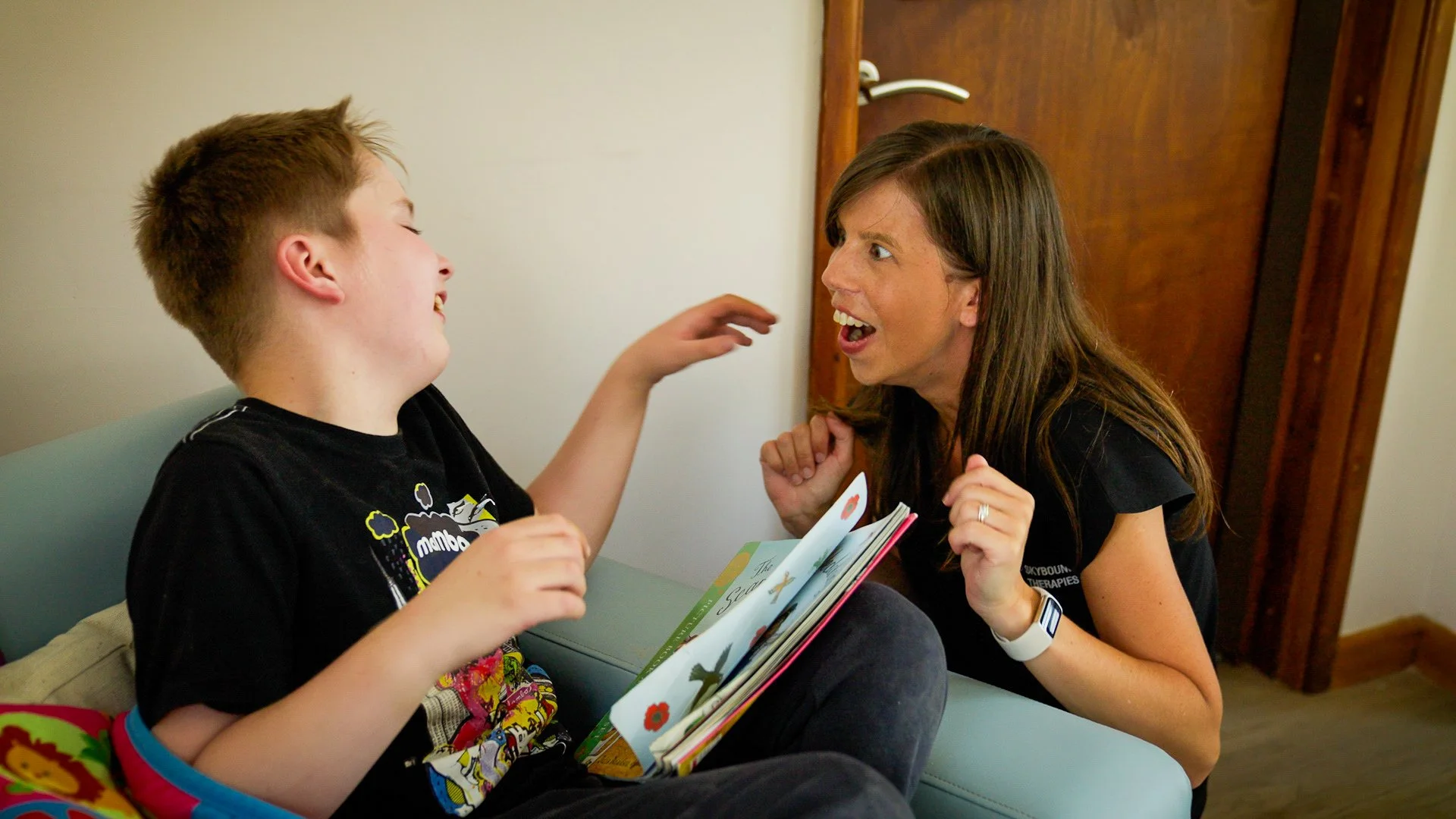
Provider stories"The relationships we build don't happen overnight."
Across Wales, children's homes are run by people who know the children they care for, the communities they work in and the difference that consistent relationships can make.
We're speaking to providers and practitioners about what these changes could mean for the children, homes and teams they know.
Local impact
What could this mean where you live?
The impact won't be the same everywhere.
In some parts of Wales, a very high proportion of existing residential capacity is provided by organisations affected by the policy. Some councils already face significant financial and placement pressures. Rural areas face particular challenges when suitable local provision is scarce.
We've brought together local evidence for all 22 Welsh local authorities.
Find your local area
Click or tab to an area
Find out:
- How many local homes could be affected
- How many registered places they provide
- What replacing that capacity could cost
- What your council is already saying about care and financial pressures
The financial impact
Change has a cost. Who will pay it?
£24m
estimated pressure on children's residential placements in 2026/27
£200m
of pressures across social services, within which that sits
Welsh Government has committed funding to support the wider transformation of children's services. But replacing established residential capacity requires more than changing an organisation's legal structure. New homes require property, investment, registration, experienced managers, skilled staff and time.
And local authorities are already under pressure.
Senedd Research has reported an estimated £24m pressure on children's residential placements in 2026/27, within around £200m of pressures across social services.
Our concern is simple:
If existing capacity disappears faster than suitable replacement care can be created, children and councils carry the risk.
The alternative approachWe don't have to choose between principle and pragmatism.
But there is more than one way to achieve that.
01
Protect the principle.
We support the principle that public money for children's care should deliver public benefit.
02
Protect capacity.
We're asking Welsh Government to consider a wider range of tightly regulated, mission-locked models that can protect money for children's care while allowing the investment needed to maintain and develop suitable homes.
03
Protect children.
That could include models with statutory safeguards around how profits and assets can be used, alongside employee ownership and other social-enterprise structures.
Sources and methodologyEvidence matters
This campaign is built on published data, local-authority evidence, Welsh Government information and intelligence from the organisations providing children's residential care across Wales.
Every significant statistic on this website can be traced back to its source, and where we have modelled potential costs, we explain the assumptions we've used.
Don't just take our word for it.
Explore the evidencePut children first as Wales changes care
There is still time to make the transition safer.
We're asking Welsh Government, local authorities, providers and communities to work together on an approach that protects the purpose of the policy without unnecessarily putting existing homes, local capacity or children's stability at risk.
Because whatever structure sits behind a children's home, the most important question should always be the same:
Is this the right care, in the right place, for this child?